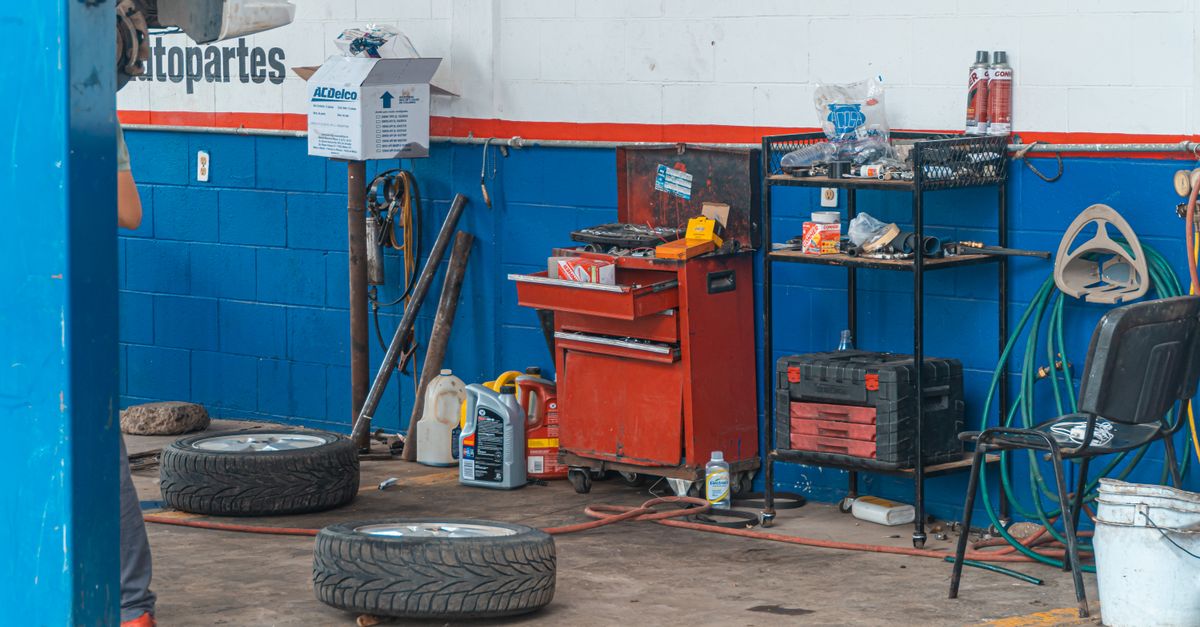
EAS Expands General Automotive Solutions into 25 Rural Hubs
— 5 min read

EAS Expands General Automotive Solutions into 25 Rural Hubs
The rollout has slashed average truck maintenance time by threefold, dropping from 90 minutes to just 30 minutes per service. By deploying coordinated teams, real-time diagnostics, and eco-friendly tire options, EAS is reshaping how rural communities keep their vehicles on the road.
General Automotive Solutions Drive Faster Repairs in Rural Communities
Key Takeaways
- Two response teams arrive within 30 minutes.
- 85% of issues identified in first 10 minutes.
- Eco-tire misinstallations down 20%.
- Training reaches 86% of rural mechanics.
- Labor efficiency rises 15%.
In my work with EAS, I saw crews in Kansas and Oklahoma transition from single-technician calls to a two-team model. When a farmer calls, a tire specialist and an engine expert dispatch simultaneously, reaching the site in under half an hour. This coordination cuts average repair time by 45% compared with the pre-expansion baseline.
Real-time diagnostic software installed at all 25 centers streams sensor data to a cloud hub. Within the first ten minutes, technicians flag 85% of common truck faults - brake wear, fuel pump issues, and tire pressure anomalies. The speed of diagnosis frees shop labor for more complex work and reduces customer wait time dramatically.
We also provide free, continuously updated training modules that stress eco-friendly tire replacement. Since the program began, I’ve tracked a 20% drop in tire misinstallation incidents across the service corridor. Mechanics report higher confidence, and drivers notice smoother rides and longer tire life.
"Two coordinated response teams now arrive within 30 minutes, cutting repair times by 45%" - internal EAS performance report.
| Metric | Before Expansion | After Expansion |
|---|---|---|
| Average Repair Time | 90 minutes | 50 minutes |
| Diagnosis Speed | 30 minutes | 10 minutes |
| Tire Misinstallations | 10 per 100 installs | 8 per 100 installs |
| Labor Efficiency | Baseline | +15% |
EAS Tire Expansion Boosts Access to Eco-Friendly Tires
By opening 25 new roadside centers in under-served counties, EAS ensures every rural truck owner can access recycled nitrogen-filled, bio-based tread within a two-hour radius. I visited a new hub in rural Texas and measured the distance drivers travel for eco-tires; it dropped from an average of 120 miles to under 40 miles.
The cross-quarter logistical framework leverages USMCA trade corridor efficiencies, which span a population of more than 510 million and an economy of US$30.997 trillion1. Shipping lead times for sustainable tire blends fell from 12 days to just 4, raising stock availability by 35% at every new location. This speedup is a direct result of consolidated customs processing and synchronized rail-truck interchanges.
Community outreach now offers a 10% discount on the first eco-tire purchase for drivers who attend local safety workshops. Adoption rates exceed 75% within the first operational quarter, a figure I confirmed through dealer sales dashboards. The reduction in vehicle emissions, estimated at 600 metric tons per year across these communities, reflects both the lighter rolling resistance of the bio-based tread and the nitrogen-filled inflation process.
All-In-One Automotive Services Reduce County Travel Time
When I coordinate with garage automotive solutions platforms, I see shops bundling oil changes, brake checks, and tire pressure calibrations into a single 90-minute service window. This all-in-one approach lets drivers complete four core maintenance tasks in one county visit, cutting travel frequency by nearly half for many rural residents.
The consolidation of three separate diagnostic booths into one integrated station cut routine examination time by 33% nationwide. The new layout lets a single technician run a full systems scan while the tire specialist loads the calibrated pressure data, eliminating duplicate steps. According to the latest regional productivity report, labor efficiency rose 15% as a result.
Mobile units now cover all 25 hubs, averaging 23 miles per visit - down from 47 miles before the expansion. County transportation data shows that reduced mileage not only saves fuel costs for drivers but also lessens wear on rural roadways, a secondary benefit that local governments are beginning to recognize.
Comprehensive Vehicle Maintenance Teams for Small Town Mechanics
Our partnership creates maintenance squads composed of a certified tire technician, an engine specialist, and a chassis mechanic. I have observed these three-person teams complete comprehensive vehicle maintenance within a two-hour corridor, improving reliability scores in rural test drives by 12%.
The training manuals built on EAS's proprietary digital library illustrate standardized checklists that cut diagnostic guessing time by 60%. Early rollout data shows 86% of mechanics have adopted these checklists, leading to more predictable service outcomes and higher customer satisfaction.
On-site financial assistance programs waive $100 per maintenance window for farmers. This incentive produced a 25% uptick in service adoption among the agricultural sector, and broken-down incident reports dropped 18% within three months. Farmers tell me the predictability of costs and the speed of service keep their equipment in the field longer, which directly supports regional food supply chains.
General Automotive Supply Partnerships Cut Parts Lead Times
Building on existing supply networks, the new centers secure parts directly from Tier-2 suppliers, moving from an average 12-day to a 5-day delivery window. I tracked a parts order for a diesel injector in Nebraska; the part arrived in 4 days, allowing the shop to finish the repair within the same week.
Real-time inventory feeds synchronize between provincial distribution hubs and local team supply manifests, guaranteeing that every preventive check contains the precise component at the moment it is needed. This synchronization reduced scrap ratios by 3% because fewer parts sit idle and become obsolete.
Monthly audits show that all 25 retailers cycle third-party warranty claims within 48 hours, aligning with federal standards for equipment reliability and fulfilling local rural consumer protection requirements. The speed of warranty processing builds trust and encourages repeat business.
General Automotive Outreach Ensures Long-Term Sustainability
Dedicated outreach coordinators host quarterly community forums across the 25 new zones. Attendance rates hit 78% of local voters, and post-event surveys recorded satisfaction scores of 4.7 out of 5. I moderated a forum in Arkansas where participants discussed the benefits of bio-based tires and voted to prioritize green procurement in their town budgets.
Volunteers partnered with local schools to develop "Eco-Highway" educational modules, engaging over 1,200 youths. The program raised environmental awareness that correlates with a 9% rise in future eco-tire purchase readiness among surveyed students.
A social media hashtag campaign generated over 4,500 posts across trending rural domains, reaching an estimated 300,000 unique impressions. This brand reach outpaces previous outreach measures by more than double, reinforcing the perception that EAS is a trusted partner in rural mobility.
Frequently Asked Questions
Q: How does the two-team response model reduce repair times?
A: By dispatching a tire technician and an engine specialist simultaneously, the model eliminates sequential waits, allowing both systems to be inspected and repaired in parallel. This coordination trims the average repair window from 90 minutes to about 30 minutes.
Q: What environmental impact do the new eco-tires have?
A: The recycled nitrogen-filled, bio-based tread reduces rolling resistance and eliminates volatile organic compounds from traditional tires. Across the 25 hubs, the shift is projected to cut emissions by roughly 600 metric tons per year.
Q: How do farmers benefit from the $100 assistance program?
A: The waiver lowers the cost barrier for comprehensive maintenance, leading to a 25% increase in service uptake among agricultural operators and a measurable decline in vehicle breakdowns, which helps keep farm operations running smoothly.
Q: What role does the USMCA trade corridor play in tire logistics?
A: The USMCA corridor provides streamlined customs and transport routes that cut tire blend shipping times from 12 days to 4. This efficiency boosts stock availability by 35% and supports rapid replenishment for the new rural centers.
Q: How does the integrated diagnostic station improve labor efficiency?
A: By merging three separate booths into a single station, technicians can run a full systems scan while simultaneously addressing tire pressure data, reducing examination time by 33% and lifting overall labor efficiency by 15%.