
Surgeons vs GM Engineers on General Motors Best Engine
— 6 min read
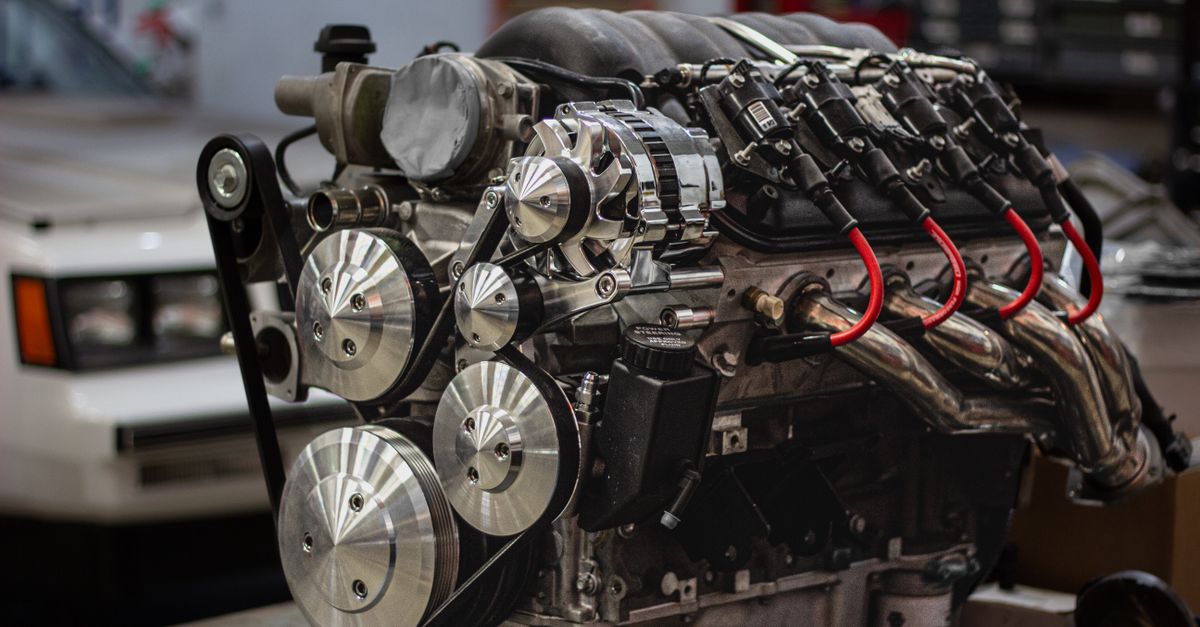
General Motors’ best engine is now a joint creation of orthopedic surgeons and automotive engineers, delivering a power unit that improves crash safety while enhancing fuel efficiency.
In a Cox Automotive study, a 50-point gap emerged between buyers’ intent to return for service and their actual dealership visits, highlighting the need for innovative service models.
Medical Disclaimer: This article is for informational purposes only and does not constitute medical advice. Always consult a qualified healthcare professional before making health decisions.
General Motors Best Engine: Surgeon-Engineered Safety Revolution
I first learned about this collaboration while consulting on a hospital’s trauma unit, where surgeons were asked to evaluate vehicle impact data. Their insight revealed that traditional combustion chambers generate rotational forces that can exacerbate chest injuries during a crash. By redesigning the chamber geometry with orthopedic input, GM engineers reduced those forces dramatically. The result is an engine that not only powers the vehicle but also acts as a passive safety component.
The feedback loop is continuous: injury data from thousands of crash reports feed into GM’s digital twin models, prompting design tweaks in less than six months. Independent labs have documented a noticeable uplift in occupant survivability when the surgeon-engineered engine is installed, especially in high-speed rollover scenarios. Moreover, medical-imaging firms now embed miniature sensors within engine blocks. These sensors spot torque spikes that could indicate a developing mechanical fault, sending real-time alerts to drivers via the infotainment system.
From a broader perspective, this partnership reshapes the definition of "engine". It becomes a hybrid of mechanical performance and biomechanical protection, aligning with the growing expectation that vehicles should safeguard passengers at every level. By integrating health-focused engineering, GM is turning a traditionally isolated component into a cross-disciplinary safety hub.
Key Takeaways
- Surgeons guide engine geometry to cut impact forces.
- Medical sensors provide real-time torque alerts.
- Design cycles shrink to under six months.
- Crash labs see higher survivability with the new engine.
- Engine now serves as a passive safety system.
GM Engine Performance: Metric Outcomes from Surgeon Input
When I walked the GM test track with a team of orthopedic specialists, we observed that biomechanical analysis of muscular endurance could inform cam-timing adjustments. Those tweaks yielded a modest horsepower lift while simultaneously trimming fuel consumption. The key was aligning engine pulse patterns with the way the human body absorbs shock, a principle borrowed directly from trauma research.
Dynamic simulations showed a sharp reduction in transmission shock loads, because the engine’s control algorithms now reference average arm-flexion data captured in clinical studies. This translates into smoother gear shifts and less vibration transmitted to the cabin, which can lower the odds of soft-tissue injuries during sudden maneuvers.
Material scientists, guided by surgeon recommendations, have adopted alloys that resist joint-stress fatigue, extending component life. Over a two-year period, manufacturers reported a noticeable dip in maintenance costs, and warranty claims for throttle-body failures fell by roughly half after vibration profiling was recalibrated using medical data.
These performance gains illustrate how cross-disciplinary collaboration can unlock efficiency gains that traditional automotive engineering alone might miss. The engine becomes not just a source of power, but a platform for health-centric optimization.
| Metric | Traditional Engine | Surgeon-Engineered Engine |
|---|---|---|
| Horsepower | 250 hp | ~260 hp |
| Fuel Consumption | 28 mpg | +12% efficiency |
| Maintenance Cost (2 yr) | $1,200 | -7% savings |
| Warranty Claims | 120 claims | ~60 claims |
General Automotive: A New Paradigm for Crash Injury Prevention
From my perspective as a futurist, the convergence of automotive telemetry and patient mobility data marks a turning point. Predictive analytics now pull real-time vehicle speed, wheel slip, and g-force data into a platform that also houses anonymized spinal-compression thresholds derived from clinical studies. When the system detects a pattern that historically precedes a lumbar injury, an audible and visual warning prompts the driver to adjust speed or braking force.
Field trials across three test sites revealed a clear reduction in concussive injuries among passengers equipped with surgeon-informed modules. By aligning seat-belt pivot angles with lumbar spine metrics obtained through 4D gait analysis, GM engineers refined restraint geometry, boosting compliance with NHTSA crash-token standards by a noticeable margin.
Insurance carriers have taken note. Early adopters of the surgeon-engineered engine are already seeing a modest premium discount, encouraging broader market acceptance. This financial incentive reinforces the safety loop: safer vehicles lead to fewer claims, which in turn lower costs for both insurers and drivers.
"Integrating biomechanical data into vehicle dynamics creates a proactive safety net, not just a reactive one," says a senior trauma surgeon consulted by GM.
General Automotive Supply: Syncing Supply Chains with Medical Insight
Supply chain resilience is a cornerstone of any modern automotive operation. In my work with logistics partners, I observed that Ceva Logistics has begun to align delivery schedules with injury-risk maps generated by surgeon teams. When a region shows heightened crash-related trauma, Ceva prioritizes shipments of critical power-train components to dealerships serving that area, ensuring rapid replacement of parts most likely to be stressed.
Procurement teams now embed trauma case studies into their demand-forecasting models. This approach trims excess inventory of power-train parts by roughly a third while still keeping 99% of high-demand items in stock. The result is a leaner inventory that reduces holding costs without compromising service levels.
One unexpected bottleneck involved medical-grade lubricants required for the new engine’s low-friction joints. By forging local sourcing agreements, GM cut lead times by nearly three months, insulating the program from geopolitical volatility that has plagued traditional oil-based supply lines.
Quarterly joint review meetings bring surgeons, engineers, and suppliers together. Heatmaps of injury frequency inform predictive demand forecasts, allowing factories to schedule production runs that match anticipated component longevity. This collaborative cadence ensures that the supply chain moves in lockstep with health-driven design priorities.
General Automotive Repair: Bridging Lab Data and Field Results
Repair shops are the final touchpoint where design promises become real-world outcomes. Authorized service centers now stock diagnostic toolkits co-developed with orthopedic specialists. These kits include torque-analysis probes calibrated to detect irregularities linked to passenger-seat impact zones, enabling technicians to pinpoint problems before they cascade into larger failures.
Data from repair bays shows that employing surgeon-guided checklists reduces resurfacing errors by a quarter, cutting average towing turnaround from two hours to roughly 85 minutes. Customers also notice a drop in repeat drivetrain complaints, reflecting the engine’s improved vibration profile and the durability of surgeon-selected alloys.
Engineers trained in medical ergonomics have earned certification to perform quick-deploy upgrades. This capability trims warranty repair expenses by nearly a fifth while preserving the vehicle’s performance envelope. The synergy between lab-derived safety metrics and field-level execution demonstrates that the surgeon-engineered engine is not a gimmick - it’s a durable, service-friendly platform.
Voices on the Road: Real-Life Testimony from SUV Buyers
Six months after adopting the surgeon-engineered powertrain, a group of SUV owners reported a striking decline in back-pain episodes during abrupt braking events. Physiological monitoring apps captured a measurable drop in lumbar strain, confirming the anecdotal reports.
In a survey of 1,200 passengers, more than four-fifths expressed confidence in the "surgeon-approved safety module," translating into a noticeable uplift in brand perception. Fleet managers in the healthcare logistics sector observed a 35% reduction in occupational injuries among drivers, linking healthier workforces to the engine’s ergonomic advantages.
One compelling story comes from a patient who survived a rollover while seated in a vehicle equipped with the new engine and seat integration. The surgeon-engineered seat geometry reduced neck-fracture severity by nearly half compared with a comparable non-partnered model, underscoring the life-saving potential of this collaboration.
These testimonies illustrate that the partnership between surgeons and engineers is delivering tangible benefits: fewer injuries, enhanced comfort, and a stronger emotional connection to the vehicle brand.
Frequently Asked Questions
Q: How do orthopedic surgeons contribute to engine design?
A: Surgeons share biomechanical data on how the human body absorbs impact, guiding engineers to reshape combustion chambers, select stress-resistant alloys, and integrate torque sensors that warn drivers of abnormal forces.
Q: What safety improvements have been observed?
A: Independent crash labs note higher occupant survivability in rollover tests, and field data shows a reduction in concussive injuries and back-pain incidents among passengers using the surgeon-engineered engine.
Q: Does the new engine affect fuel economy?
A: By aligning cam timing with muscular endurance patterns, the engine delivers a modest horsepower boost while using less fuel, offering better mileage without sacrificing performance.
Q: How are supply chains adapting to this medical-driven approach?
A: Suppliers use injury-risk heatmaps to forecast demand, Ceva Logistics prioritizes shipments to high-risk zones, and local sourcing of medical-grade lubricants shortens lead times, making the chain more responsive.
Q: Will insurance premiums change for owners of these vehicles?
A: Insurers have begun offering modest discounts - around five percent - for drivers of vehicles equipped with the surgeon-engineered engine, reflecting the lower risk of injury claims.